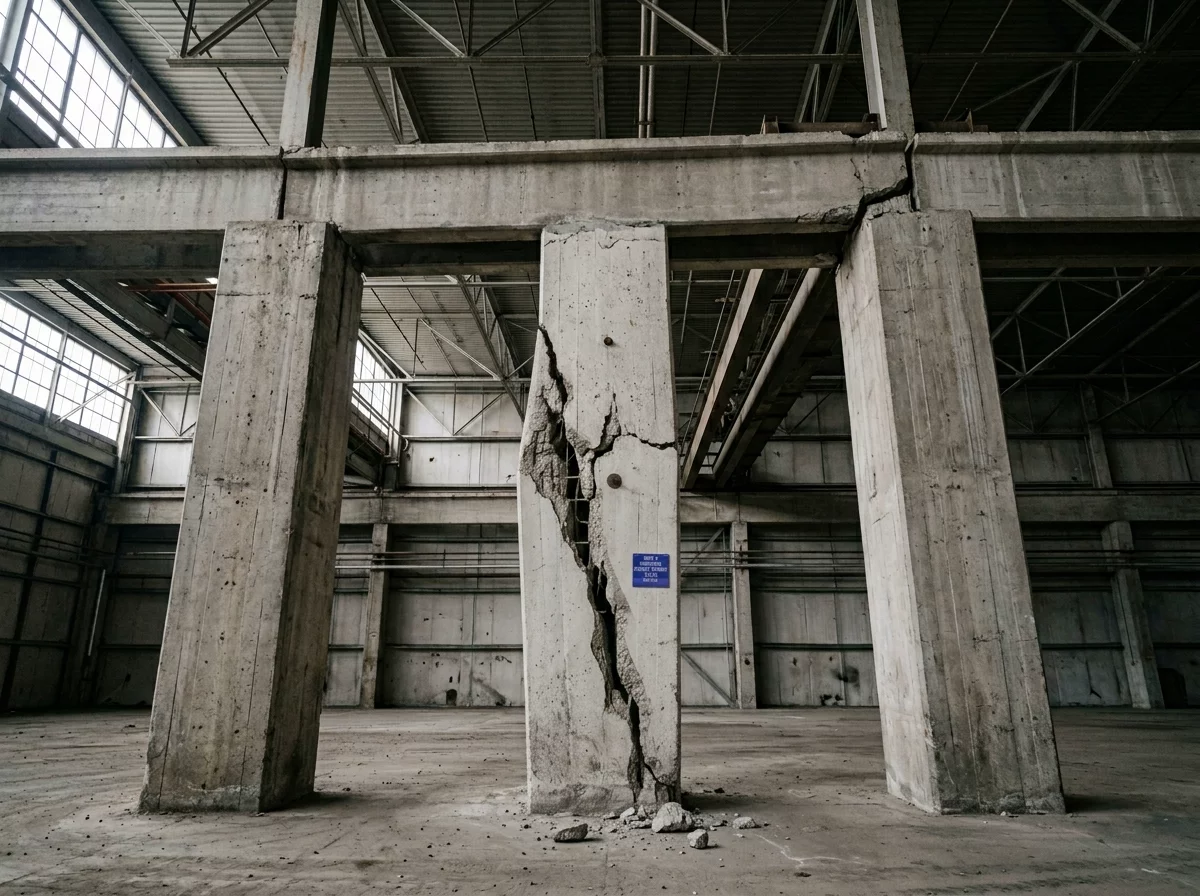
Most large procurement organizations use the three lines of defense model — or some version of it — to govern their operations. Line 1 owns the risk (category managers, buyers). Line 2 sets the rules and monitors (compliance, risk management). Line 3 provides independent assurance (internal audit). The model was formalized by the Basel Committee for banking regulation and later adopted by governance frameworks like COSO. It works in finance because regulators enforce it. In procurement, it creates a structural illusion of control that leaves the organization exposed to risks the model was designed to prevent.
Line 1: authority without enforcement
The first line of defense in procurement is the category manager or buyer — the person who runs the sourcing event, negotiates the contract, and manages the supplier relationship. The model assumes this person can identify risk and act on it. In practice, category managers in most organizations have no enforcement authority over business stakeholders. A category manager can recommend a preferred supplier. They cannot prevent the engineering team from buying from a non-contracted vendor. They can flag a maverick purchase in a quarterly review. They cannot stop it at the point of transaction.
This is not a failure of individual capability. It is a structural feature of how procurement operates in most enterprises. Procurement is a service function, not a gate function. The three lines model assumes that Line 1 has both visibility and authority over operational risk. In procurement, it has visibility but not authority. The result is a governance gap where the people closest to the risk cannot act on it — and the people who can act on it (budget holders, business unit heads) are not part of the governance structure by design.
Line 2: policy without procurement expertise
The second line sets procurement policies, conducts compliance monitoring, and manages risk frameworks. The people in these roles typically come from risk management, legal, or finance backgrounds. They understand governance models, control frameworks, and regulatory requirements. They rarely understand category strategy, supplier markets, or sourcing dynamics. The policies they write tend to be generic — applicable across the enterprise but specific to no procurement category.
The academic literature on three lines of defense implementation documents this coordination problem. Empirical research shows overlapping responsibilities and blurred boundaries between Line 1 and Line 2 as the most common failure mode. In procurement, this appears as: compliance issues policies that category managers cannot practically follow, category managers develop workarounds that bypass the controls, and both sides assume the other is responsible for the resulting risk. The policy exists on paper. The risk exists in execution. Neither party can close the gap alone because the model assigns accountability to both without giving either the full toolkit.
"The first line of defense delivers the controls. The second line oversees them. When neither understands procurement well enough to know if the controls actually control anything, the organization has governance theater — not governance."
Line 3: assurance after the damage is done
Internal audit is the third line — independent assurance that the first two lines are working. In banking, external regulators reinforce this function. In procurement, the audit cycle is typically 12-18 months. A supplier risk that emerges in June may not be audited until the following year. By the time the audit report lands, the damage — financial loss, compliance violation, supply disruption — has already occurred. Internal audit can tell you what went wrong. It cannot prevent it.
The Association of Certified Fraud Examiners reports that internal audit catches approximately 40% of procurement fraud cases. The remaining 60% are detected by tip-offs, by accident, or not at all. This is not an indictment of audit quality. It is a limitation of the model. In procurement, where transactions are high-volume, decentralized, and opaque to central governance, a periodic audit cannot substitute for continuous monitoring. The three lines model assumes that periodic checking + strong Line 1 controls = adequate governance. When Line 1 controls are structurally weak (category managers cannot enforce), the equation breaks.
What a procurement-adapted governance model looks like
The answer is not to abandon the three lines model. It is to adapt it to procurement's operational reality. Four structural changes separate procurement governance that works from governance that merely reports:
The progression from a generic three lines model to procurement-adapted governance typically follows three phases. Most organizations are in Phase 1 without knowing it.
What this means for buyers
1. Audit your governance model, not just your compliance metrics. Ask: does Line 1 have enforcement authority or only advisory authority? Are your compliance policies procurement-specific or generic? Does your internal audit cycle leave gaps longer than 6 months between checks? If the answers are weak, the model is producing governance theater — not governance.
2. Create a procurement risk and controls function with dual reporting. Hire or designate someone with procurement expertise into a controls role that reports to both the CPO and the CFO or CRO. This person writes category-specific controls and has the authority to hold up transactions that violate them. One person in this role closes more governance gaps than a compliance team of ten with generic remit.
3. Move from periodic audit to continuous conformance monitoring. Invest in spend analytics or process mining that gives you a real-time view of whether your controls are actually controlling. The cost of a monitoring tool is a fraction of the cost of one supplier failure or one fraud case that the annual audit missed. The State of Oklahoma cut audit cycle times by 64 days using process mining. The same principle applies to governance monitoring.
What is the three lines of defense model in procurement?
The three lines of defense model structures governance into three tiers: Line 1 (operational management — category managers, buyers who own risk daily), Line 2 (risk/compliance functions that set policy and monitor), and Line 3 (internal audit that provides independent assurance). It was originally designed for banking regulation by the Basel Committee.
Why does the three lines of defense model fail in procurement?
It fails because Line 1 category managers lack enforcement authority over business stakeholders. Line 2 compliance teams often lack procurement-specific expertise, issuing generic policies that miss sourcing realities. Line 3 internal audit arrives after the damage is done. The model assumes clear role boundaries that rarely exist in procurement.
What is a better governance framework for procurement?
A procurement-adapted governance model creates a shared accountability structure between procurement, finance, and business units; embeds risk assessment into category strategy rather than treating it as a separate compliance exercise; and replaces periodic audit cycles with continuous conformance monitoring using process mining and spend analytics.
Who should own procurement governance in an organization?
Procurement governance works best when a dedicated procurement risk and controls function sits within procurement but reports independently to both the CPO and the chief risk officer or CFO. This dual-reporting structure ensures the function has procurement domain expertise while maintaining the independence that the original three lines model intended for Line 2.
Sources
- Basel Committee — The Three Lines of Defense Model in Financial Institutions
- COSO — Internal Control — Integrated Framework (2013)
- IFAC — Rethinking the Three Lines of Defense
- Institute of Internal Auditors — Are the Three Lines of Defense Still Relevant?
- McKinsey — Procurement Risk Management: The Key to Resilience
- Association of Certified Fraud Examiners — Fraud Risk Tools
- Deloitte — The Three Lines Model and Procurement Risk
- PwC — Three Lines of Defense in a Changing Risk Landscape
- Celonis — The Power of Process Mining in Purchase-to-Pay
- Gartner — Procurement Risk Management Trends 2026